
What Costs Should You Consider When Importing Goods into Mexico?
GFS Customs · September 22, 2026 · 7 min read
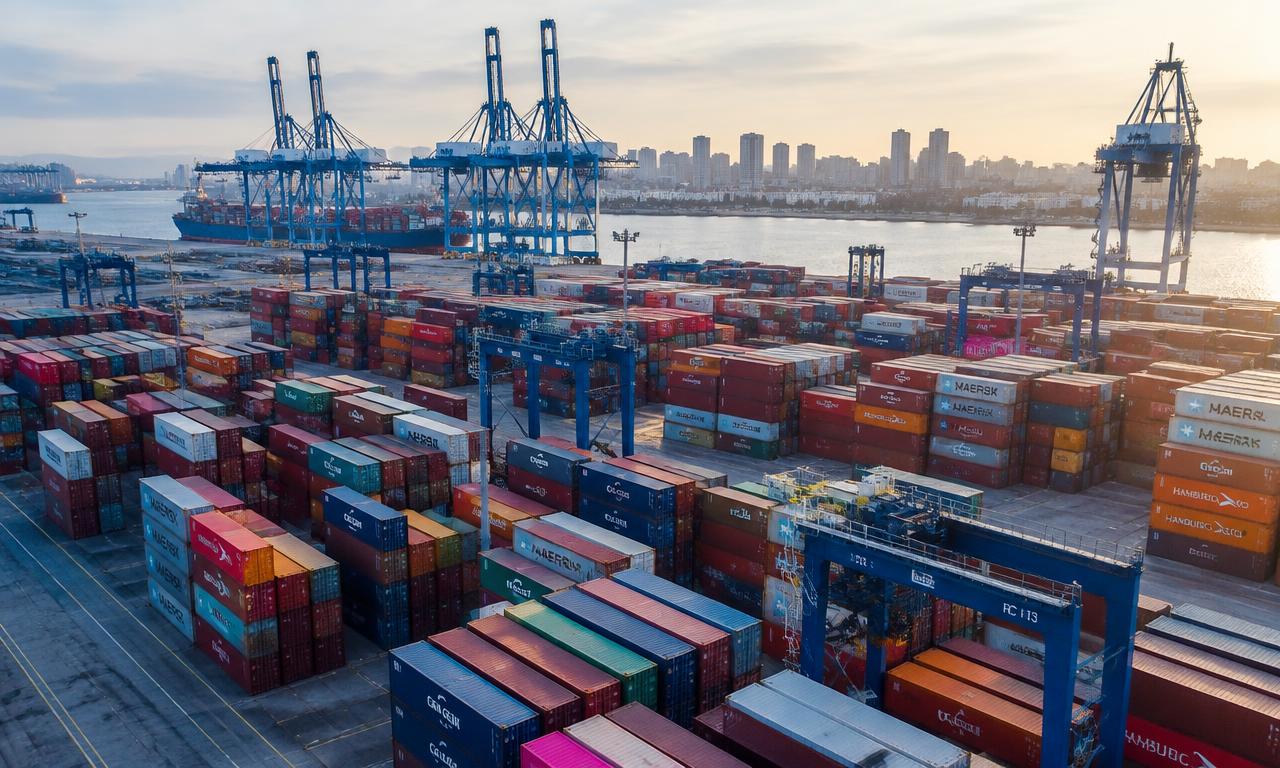
One of the most common questions when starting an import operation is:
"How much will it cost me to bring this product into Mexico?"
The answer depends on much more than the supplier's invoice.
To understand the true cost of an import, you should consider transportation, duties and taxes, customs-related expenses, terminal charges and potential additional costs.
This is commonly referred to as the landed cost.
1. Product cost
The first component is the price paid to the supplier.
But it is important to understand what that price actually includes.
An EXW quotation is very different from an FOB, CIF or DAP quotation.
The Incoterm determines which costs and responsibilities belong to the buyer and which belong to the seller.
2. International freight
Transportation can represent a significant portion of the total cost.
Depending on the cargo, origin, destination, urgency and volume, you may use:
Ocean freight.
Air freight.
Ground transportation.
Consolidated service.
Full container service.
A smaller shipment may make sense as LCL, while a larger shipment may justify FCL.
3. Cargo insurance
Cargo insurance provides coverage against certain transportation risks according to the policy conditions.
The cost depends on factors such as cargo value, type of goods, route and coverage.
4. Import duties
Depending on tariff classification, origin and customs regime, an import duty may apply.
The applicable rate is not the same for every product.
This is why understanding tariff classification before purchasing goods is important when estimating landed cost.
5. VAT
VAT may apply as part of the taxes associated with an import operation, depending on the applicable rules and characteristics of the transaction.
It should be calculated based on the specific operation rather than simply applying a percentage to the supplier's invoice.
6. Customs processing fees
Import operations may also involve customs processing fees, depending on the customs regime and applicable provisions.
These should be considered when preparing the import budget.
7. Trade measures
Certain goods may be subject to trade measures such as anti-dumping duties or other applicable charges.
These should be reviewed according to the product's classification, origin and characteristics.
8. Port, airport and terminal charges
Depending on the entry point and operation, additional costs may include:
Handling.
Terminal charges.
Storage.
Documentation.
Container handling.
Operational services.
These costs can vary depending on the terminal, port, airport, cargo type and time involved.
9. Storage and delays
Unexpected storage and delay charges can significantly affect the final cost of an import.
Potential causes include:
Missing documents.
Permit delays.
Documentation errors.
Coordination problems.
Transportation delays.
Operational congestion.
Identifying potential bottlenecks before the cargo arrives can help reduce these risks.
10. Domestic transportation
Once the goods are cleared, they still need to reach their final destination.
The cost depends on:
Distance.
Equipment.
Weight.
Volume.
Cargo type.
Route.
Security requirements.
Special delivery conditions.
Oversized or specialized cargo may require specific equipment and permits.
11. Additional services
Depending on the operation, additional services may include:
Inspections.
Cargo examination.
Labeling.
Laboratory services.
Warehousing.
Security escorts.
Special handling.
Specialized transportation.
Final-mile delivery.
Not every import requires these services.
How should you calculate the total cost?
A practical way to analyze the operation is:
Product cost
•
International freight
•
Insurance
•
Duties and taxes
•
Customs and terminal expenses
•
Domestic transportation
•
Additional services
=
Total import cost
The final amount depends on the specific characteristics of the shipment.
Why comparing only freight rates can be misleading
Imagine two logistics providers:
Provider A: lower transportation rate.
Provider B: slightly higher rate.
The lower quote does not automatically mean the lower total cost.
If the cheaper service creates delays, additional handling or unexpected expenses, the final landed cost may be higher.
That is why it is better to compare the total operation, not only one isolated rate.
Before importing, ask:
What is the tariff classification?
What duties may apply?
What regulations apply?
How much will international transportation cost?
Which Incoterm am I using?
What terminal charges should I expect?
How much will domestic transportation cost?
Are there special requirements?
Conclusion
Calculating the real cost of an import requires looking at the entire operation.
The supplier's price is only the beginning.
Proper planning helps estimate the landed cost more accurately and reduces the risk of making decisions based only on the purchase price or transportation rate.
Need support with your international trade operation?
Our team can assist you with customs clearance, transportation, international logistics, tariff classification and operational guidance.
Request a QuoteYou may also be interested in
Step-by-Step Guide to Importing Goods into Mexico
Planning to import goods into Mexico? Learn the key steps to consider before shipping your cargo, from product classification and compliance to customs clearance and final delivery.
Origin Inspection: How to Identify Problems Before Your Cargo Reaches Mexico
A pre-shipment inspection can help identify product, quantity, labeling, documentation or compliance issues before your cargo leaves the country of origin.
What Is a Customs Broker and What Does It Do?
Learn what a customs broker does, how they participate in the customs clearance process, and what importers and exporters should consider before moving goods into or out of Mexico.