
What Is a Customs Broker and What Does It Do?
GFS Customs · September 24, 2026 · 6 min read
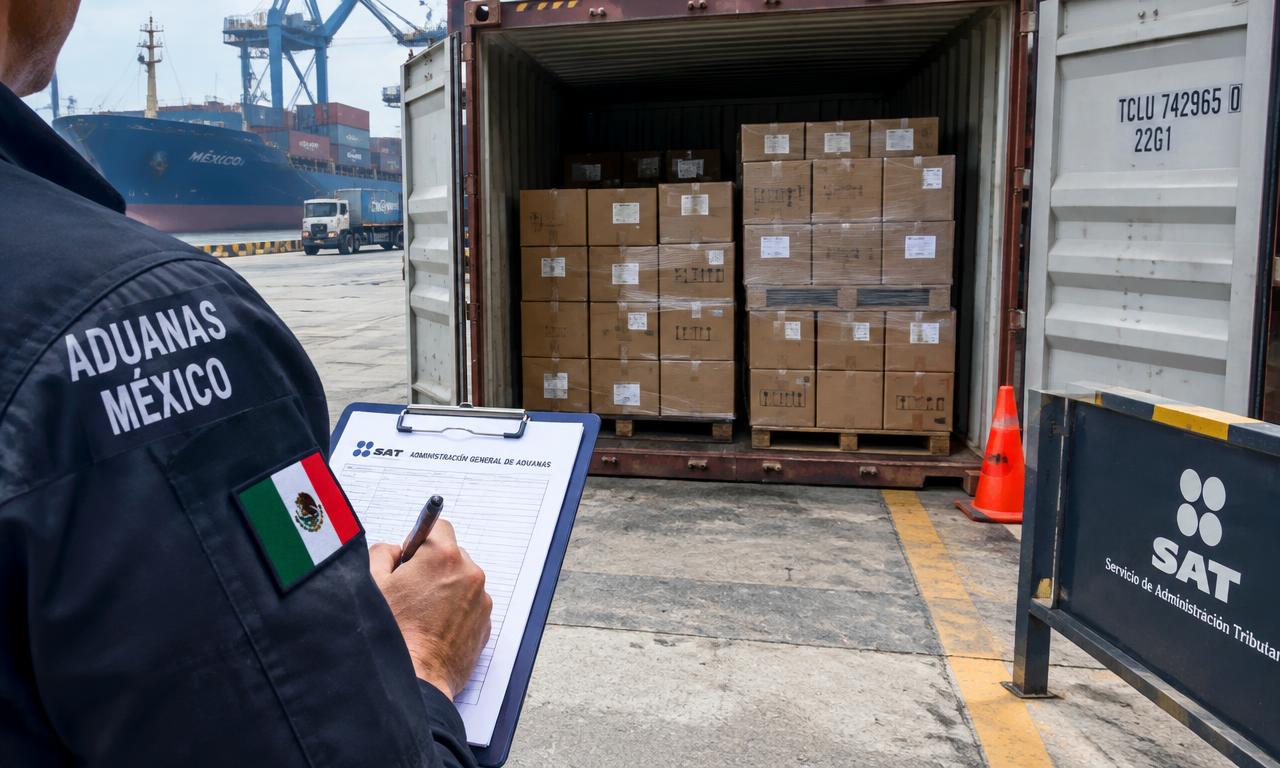
When a company begins importing or exporting goods, it quickly encounters terms such as customs clearance, tariff classification, customs duties, regulations, permits and customs inspections.
For businesses that are new to international trade, navigating these requirements can be challenging. This is where a customs broker can become an important part of the operation.
But what exactly does a customs broker do, and when should you involve one?
What is a customs broker?
A customs broker is a specialized professional or company that supports importers and exporters with customs clearance and international trade procedures.
Their role may include reviewing commercial and technical information, determining tariff classification, assessing applicable requirements, preparing customs documentation and coordinating the customs clearance process.
A customs broker does not replace the responsibilities of the importer or exporter. Successful international trade operations require coordination among the cargo owner, suppliers, freight forwarders, carriers, terminals and customs team.
What does a customs broker do?
The exact scope of services can vary depending on the operation and type of goods, but several activities are commonly involved.
1. Reviewing product information
Before customs clearance, it is important to understand exactly what is being imported or exported.
Relevant information may include:
Commercial description.
Materials or composition.
Intended use.
Country of origin.
Brand and model.
Quantity and unit of measure.
Value.
Supplier information.
Commercial and transportation documents.
Complete information from the beginning makes it easier to identify applicable requirements.
2. Tariff classification
Tariff classification is one of the key elements of an international trade operation.
The tariff classification helps determine:
Applicable customs duties.
Taxes.
Non-tariff regulations.
Specific import requirements.
Potential trade measures or duties.
Classification should not be based solely on a product's commercial name. Technical specifications, composition, function, presentation and physical characteristics may all be relevant.
3. Reviewing applicable regulations
Different products may be subject to different import requirements.
Depending on the goods and their classification, requirements may involve:
Mexican Official Standards.
Permits.
Certificates.
Sanitary requirements.
Phytosanitary requirements.
Safety regulations.
Sector-specific importer registrations.
Trade measures.
This is why reviewing requirements before shipping the cargo is highly recommended.
4. Preparing and reviewing customs documentation
The customs declaration is a fundamental part of the clearance process.
Information declared to customs should be consistent with the commercial, transportation and product documentation.
Identifying inconsistencies before the shipment arrives can help reduce complications during clearance.
5. Determining applicable duties and taxes
Depending on the operation, different duties, taxes and other charges may apply.
These may include import duties, VAT, customs processing fees and, when applicable, trade remedies or other charges.
The applicable amount depends on factors such as tariff classification, customs value, origin and the characteristics of the goods.
6. Coordinating customs clearance
Customs clearance is rarely handled by one party alone.
A shipment may involve:
Importer or exporter.
Supplier.
Freight forwarder.
Ocean carrier or airline.
Trucking company.
Terminal.
Warehouse.
Customs broker.
Government authorities.
Coordinating these parties is essential to keeping the operation moving.
When should you involve a customs broker?
Ideally, before the shipment leaves the origin country.
Waiting until cargo is already in Mexico to review classification, permits, labeling or documentation can reduce the available options and potentially create additional costs.
A pre-shipment review can help identify:
Import requirements.
Required documents.
Tariff classification.
Applicable regulations.
Estimated duties and taxes.
Required information on commercial documents.
Potential operational risks.
Can a customs broker also handle logistics?
That depends on the services offered by each company.
An international shipment may require much more than customs clearance, including:
Domestic transportation.
International freight.
Ocean freight.
Air freight.
Consolidation.
Warehousing.
Cargo insurance.
Security services.
Oversized cargo transportation.
Door-to-door coordination.
When these services are coordinated by one team, the importer can have a single point of contact for a larger part of the operation.
What information should you provide to your customs broker?
Before requesting a review, try to provide as much information as possible.
Ideally:
Commercial invoice or proforma invoice.
Packing list.
Product technical sheet.
Product photographs.
Supplier information.
Country of origin.
Incoterm.
Quantities.
Weight and dimensions.
Intended use.
Technical products, machinery, chemicals, food, agricultural products and regulated goods may require additional information.
Conclusion
A customs broker should not be viewed simply as the company you contact when cargo arrives at customs.
Planning before shipment can be just as important as the clearance itself.
Reviewing the goods, documentation, classification and requirements before shipping can help reduce risks and support better operational decisions.
In international trade, planning ahead can make a significant difference.
Need support with your international trade operation?
Our team can assist you with customs clearance, transportation, international logistics, tariff classification and operational guidance.
Request a QuoteYou may also be interested in
Step-by-Step Guide to Importing Goods into Mexico
Planning to import goods into Mexico? Learn the key steps to consider before shipping your cargo, from product classification and compliance to customs clearance and final delivery.
What Costs Should You Consider When Importing Goods into Mexico?
The supplier's price is only part of the total cost of an import. Learn which logistics, customs, tax and transportation costs should be considered when planning an import into Mexico.
Origin Inspection: How to Identify Problems Before Your Cargo Reaches Mexico
A pre-shipment inspection can help identify product, quantity, labeling, documentation or compliance issues before your cargo leaves the country of origin.