
Step-by-Step Guide to Importing Goods into Mexico
GFS Customs · September 23, 2026 · 8 min read
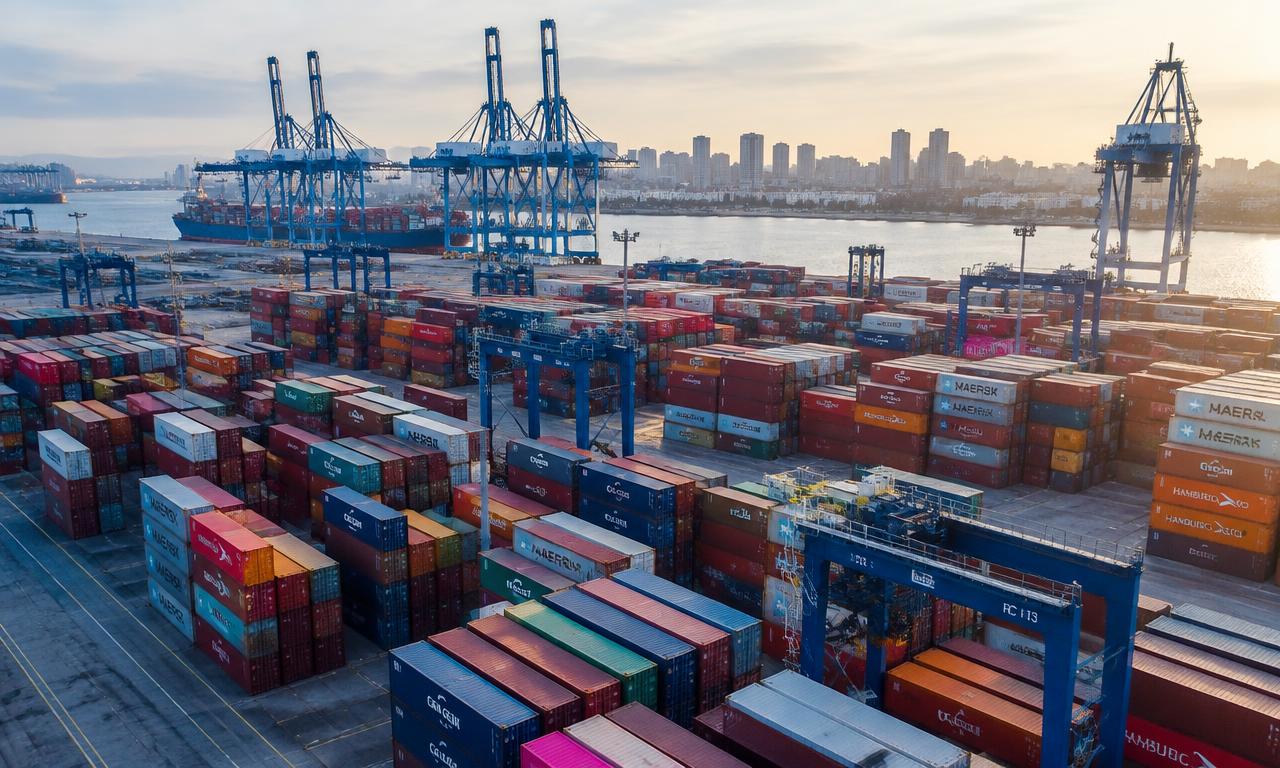
Importing goods into Mexico can create new opportunities for a business, but a successful import operation requires more than purchasing a product and arranging transportation.
From choosing a supplier to delivering the cargo to your facility, several decisions can affect the total cost, timing and feasibility of the operation.
That is why an import should be planned before the goods are shipped.
1. Clearly define the product
Start by understanding exactly what you are importing.
Gather information such as:
Commercial description.
Materials.
Function or intended use.
Presentation.
Brand.
Model.
Country of origin.
Country of shipment.
Quantity.
Weight.
Dimensions.
Value.
Photographs.
Technical specifications.
This information will be essential for determining the customs treatment of the goods.
2. Check whether the goods can be imported
Different products may be subject to different requirements.
Depending on the goods, you may need to consider:
Tariff classification.
Duties and taxes.
Non-tariff regulations.
Mexican Official Standards.
Permits or certificates.
Sanitary or phytosanitary requirements.
Sector-specific importer registrations.
Mexico's tax authority provides current information regarding the Importers Registry and specific sectors for certain products.
3. Review your importer status
Commercial importers must comply with applicable requirements.
The SAT currently lists general requirements for the Importers Registry including an active RFC, valid e.signature, compliance with tax obligations, a properly registered tax address and a validated Tax Mailbox, among other applicable requirements.
Additional requirements may apply to specific sectors.
4. Determine the tariff classification
Tariff classification is one of the most important elements of an import operation.
It can affect:
Import duties.
Non-tariff regulations.
Mexican Official Standards.
Trade measures.
Sector-specific registrations.
Documentation requirements.
Product names alone are not always sufficient for classification. Technical specifications, composition, function and physical characteristics may be necessary.
5. Determine the Incoterm
The Incoterm agreed with your supplier affects responsibilities, costs and certain risk-transfer points within the commercial transaction.
Common Incoterms include:
EXW
FCA
FOB
CFR
CIF
CPT
CIP
DAP
DDP
Understanding what is actually included in your supplier's price is essential for estimating the true landed cost.
6. Choose international transportation
Depending on the shipment, you may consider:
Ocean freight
Often used for larger or heavier shipments when transit time allows.
Air freight
Can be appropriate when speed is important or when cargo characteristics justify the higher transportation cost.
Ground transportation
Particularly relevant for shipments involving the United States, Canada or Central America, depending on the origin and destination.
Consolidated services such as LCL may also be appropriate when you do not need a full container.
7. Prepare your documentation
Documentation varies by operation, but commonly includes:
Commercial invoice.
Packing list.
Transportation document.
Technical information.
Certificates or permits, when applicable.
Documents related to applicable regulations.
Consistency between documents is important.
Differences in descriptions, quantities, weights or values can create complications during customs clearance.
8. Coordinate customs clearance
Once the cargo reaches the point of entry, the customs clearance process must be coordinated.
The customs broker reviews the available information and prepares the documentation required for the operation.
The exact process depends on the type of goods, customs regime and applicable requirements.
9. Consider duties and additional costs
One common mistake among new importers is assuming that the cost is simply:
product price + freight.
The total cost may also include:
International freight.
Insurance.
Import duties.
VAT.
Customs processing fees.
Trade measures, when applicable.
Handling.
Storage.
Demurrage or detention.
Domestic transportation.
Port or airport charges.
Inspection or compliance services.
The final cost depends on the specific characteristics of each shipment.
10. Arrange transportation to final destination
Customs clearance is not the final step.
Once the cargo is released, it must still be transported to its destination.
Consider:
Equipment type.
Weight and dimensions.
Delivery schedules.
Site restrictions.
Insurance.
Security services.
Oversized cargo requirements.
Delivery appointments.
A successful import ends when the goods reach their intended destination, not simply when they leave customs.
11. Plan before shipping
Before telling your supplier to ship, make sure you understand:
Tariff classification.
Applicable regulations.
Estimated duties.
Required documents.
Incoterm.
Entry point.
Transportation.
Customs broker.
Final delivery.
Quick checklist
Is the product properly identified?
Is the tariff classification known?
Have applicable regulations been reviewed?
Is the importer ready to import?
Are the required documents available?
Has the Incoterm been defined?
Has transportation been quoted?
Have duties and other costs been estimated?
Has customs clearance been assigned?
Is transportation to final destination arranged?
Conclusion
A well-planned import starts long before a container reaches the port.
Reviewing the product, requirements, documents and costs in advance can help reduce surprises and support better decisions.
If you are importing a product for the first time or introducing a new type of cargo, reviewing the operation before shipment can be particularly valuable.
Need support with your international trade operation?
Our team can assist you with customs clearance, transportation, international logistics, tariff classification and operational guidance.
Request a QuoteYou may also be interested in
What Costs Should You Consider When Importing Goods into Mexico?
The supplier's price is only part of the total cost of an import. Learn which logistics, customs, tax and transportation costs should be considered when planning an import into Mexico.
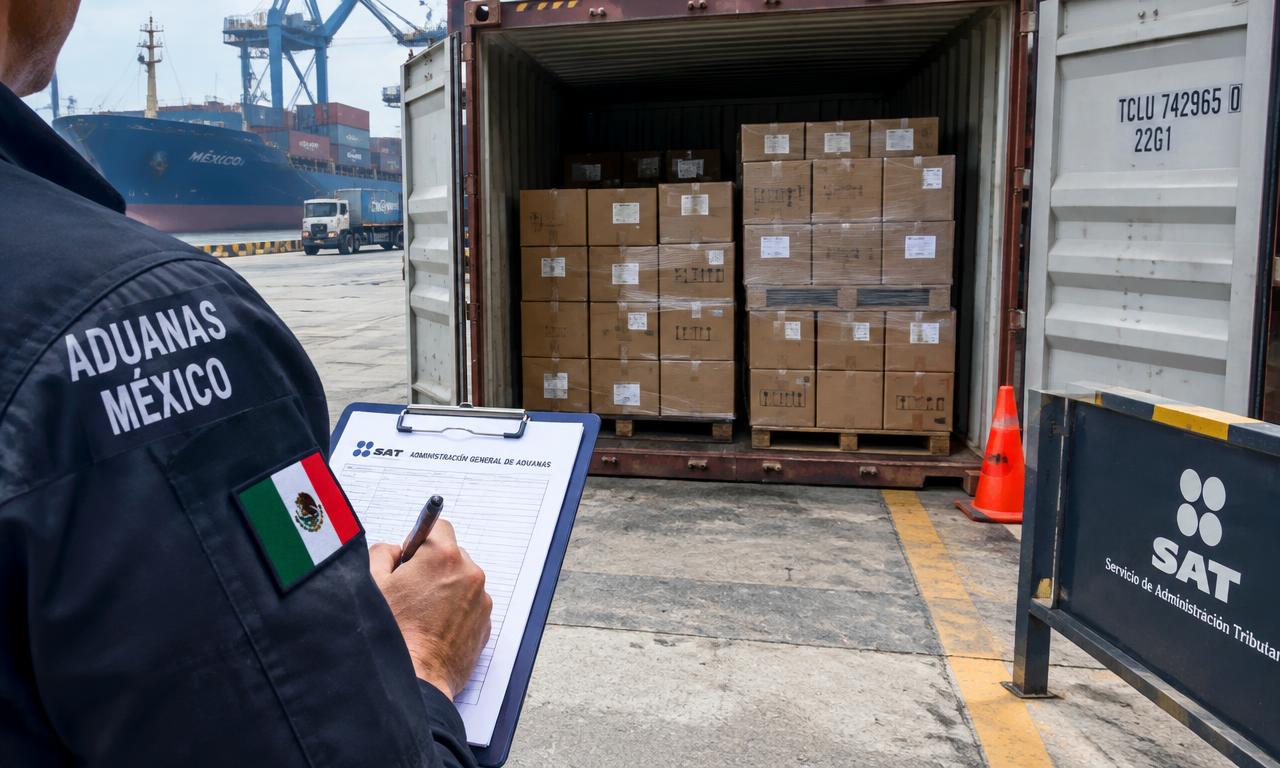
Origin Inspection: How to Identify Problems Before Your Cargo Reaches Mexico
A pre-shipment inspection can help identify product, quantity, labeling, documentation or compliance issues before your cargo leaves the country of origin.
What Is a Customs Broker and What Does It Do?
Learn what a customs broker does, how they participate in the customs clearance process, and what importers and exporters should consider before moving goods into or out of Mexico.