Origin Inspection: How to Identify Problems Before Your Cargo Reaches Mexico
GFS Customs · September 20, 2026 · 7 min read
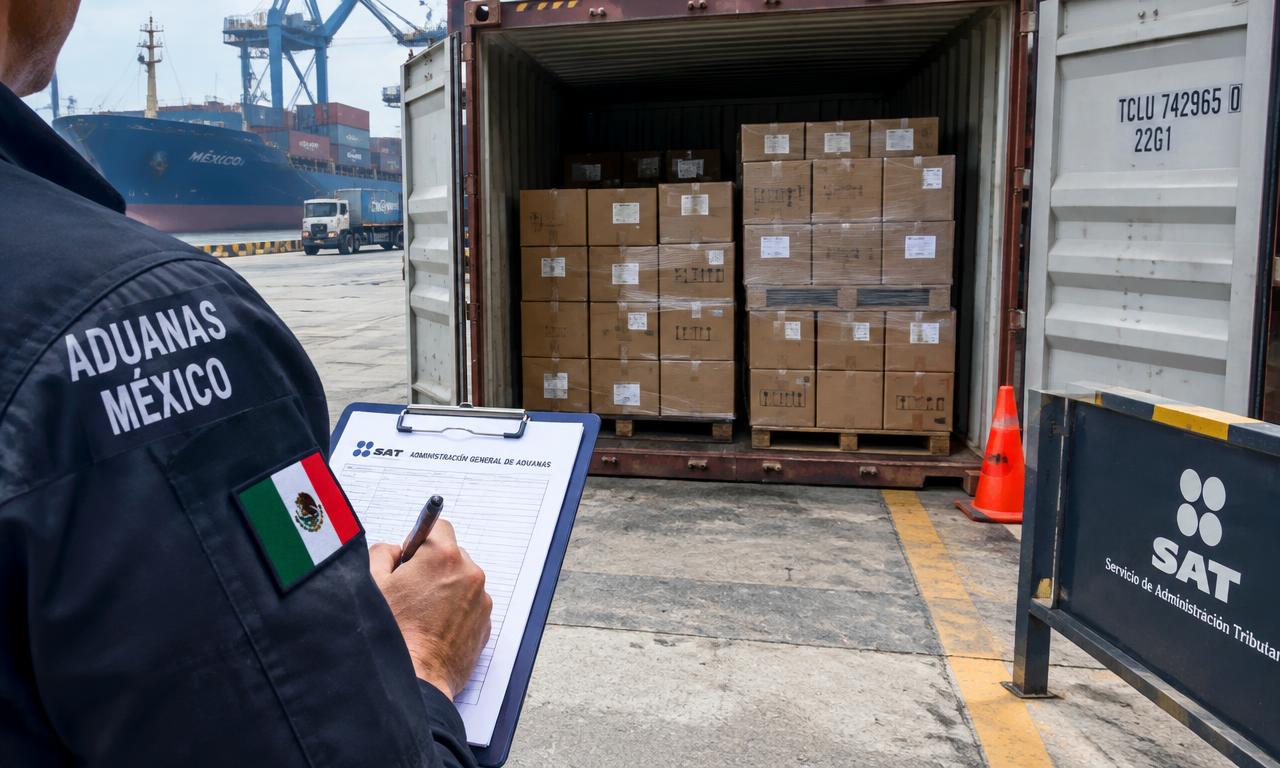
One of the most expensive times to discover a problem is when your cargo is already on its way to Mexico.
Imagine placing an international order, arranging transportation and receiving confirmation from your supplier that everything is ready.
The cargo ships.
Weeks later, you discover that:
The product does not match what you ordered.
Quantities are different.
Labels have problems.
The goods have different characteristics.
Documentation does not fully match the cargo.
A requirement was overlooked before shipment.
At that point, correcting the issue can become significantly more difficult.
This is where an origin inspection can be useful.
What is an origin inspection?
An origin inspection is a review performed before cargo is shipped to its destination.
The purpose is to verify selected aspects of the shipment while the goods are still in the country of origin.
Depending on the inspection scope, this may include:
Quantity.
Packaging.
Labeling.
Physical characteristics.
Model.
Brand.
Dimensions.
Specifications.
General condition.
Compliance with the purchase order.
Information needed for the import operation.
The exact scope should be defined according to the product and importer's requirements.
Why inspect cargo before shipping?
Because you still have time to act.
If an issue is discovered before shipment, you may be able to:
Request corrections from the supplier.
Replace goods.
Correct labels.
Adjust documentation.
Perform testing.
Complete technical information.
Review the order.
Negotiate a solution with the supplier.
Once the goods are already in transit, these solutions can become slower, more expensive or more difficult.
What problems can an origin inspection identify?
1. Quantity differences
An inspection can help verify whether physical quantities match the purchase order or available documentation.
2. Incorrect products
For international supply chains, confirming that the manufactured goods match the agreed specifications can be important.
3. Labeling issues
For certain products, labeling can be relevant to commercialization and compliance requirements in Mexico.
Identifying a problem at origin may allow it to be corrected before shipment.
4. Physical differences
An inspection can identify characteristics that do not match the agreed specifications, such as:
Material.
Dimensions.
Color.
Model.
Components.
Finishing.
5. Missing technical information
Some products require detailed technical information to support proper customs classification and compliance review.
An inspection can help identify missing information before the shipment arrives.
Does an origin inspection replace customs clearance?
No.
They are different processes.
An origin inspection is a preventive quality and compliance tool performed before shipment.
Customs clearance is the process through which the applicable customs formalities are completed to import or export goods in accordance with the applicable rules.
An origin inspection can help prepare the operation, but it does not eliminate customs obligations.
Which products can benefit from an origin inspection?
It can be particularly useful for:
Machinery.
Automotive parts.
Industrial products.
Agricultural products.
Textiles.
Plastics.
Consumer goods.
Products with labeling requirements.
Technical products.
High-value shipments.
Shipments involving new suppliers.
There is no single inspection methodology for every product.
The inspection should be designed around the cargo and the objective of the review.
What can an inspection include?
The scope can be adapted to the shipment.
For example:
Physical verification
Visual review of the goods, packaging and characteristics.
Counting
Comparison of physical quantities with available information.
Product verification
Review of models, references, measurements or previously agreed specifications.
Labeling
Review of visible information and identification elements.
Documentation
Comparison of available information with the inspected goods.
Reporting
Documentation of findings and evidence collected during the inspection.
Why is it useful with a new supplier?
When you have worked with a supplier for years, you usually have greater familiarity with their processes.
With a new supplier, there are more variables you have not yet experienced.
An independent inspection can provide greater visibility before releasing the shipment.
This does not mean assuming that a supplier is unreliable.
It means establishing a control process to verify that the shipment matches expectations.
When should you request an inspection?
Ideally, early enough to allow time to act on any findings.
The inspection should be scheduled before shipment and its scope should be defined in advance.
The later a problem is identified, the fewer options you may have to correct it.
Better imports start before shipment
International logistics is often viewed from the moment cargo leaves the supplier.
But preventive logistics begins even earlier.
Inspecting goods at origin can help you make decisions while you still have the ability to negotiate and correct issues.
Conclusion
An origin inspection cannot eliminate every import risk, but it can be a valuable tool for identifying problems before cargo travels thousands of kilometers.
The idea is simple:
it is better to identify a problem at origin than after the cargo has arrived in Mexico.
Need support with your international trade operation?
Our team can assist you with customs clearance, transportation, international logistics, tariff classification and operational guidance.
Request a QuoteYou may also be interested in
Step-by-Step Guide to Importing Goods into Mexico
Planning to import goods into Mexico? Learn the key steps to consider before shipping your cargo, from product classification and compliance to customs clearance and final delivery.
What Costs Should You Consider When Importing Goods into Mexico?
The supplier's price is only part of the total cost of an import. Learn which logistics, customs, tax and transportation costs should be considered when planning an import into Mexico.
What Is a Customs Broker and What Does It Do?
Learn what a customs broker does, how they participate in the customs clearance process, and what importers and exporters should consider before moving goods into or out of Mexico.