
FCL vs. LCL: Which Option Is Right for Your Shipment?
GFS Customs · September 21, 2026 · 6 min read

When a company needs to move cargo by ocean, one of the first decisions is whether to use a Full Container Load (FCL) or Less than Container Load (LCL) service.
The choice should not be based on price alone.
Cargo volume, type of goods, origin, destination, transit time and shipping frequency should all be considered.
What is FCL?
FCL stands for Full Container Load.
Under this model, the shipment uses a full container dedicated to the operation.
Common container sizes include:
20-foot.
40-foot.
40-foot High Cube.
The cargo does not necessarily need to physically fill the entire container, although FCL generally becomes more attractive as shipment volume increases.
What is LCL?
LCL stands for Less than Container Load.
In an LCL shipment, cargo from different shippers shares the same container.
Each shipper pays for the space their cargo occupies.
This can be useful when the shipment is not large enough to justify a full container.
When can FCL make sense?
You have significant volume
If your cargo occupies a large portion of a container, FCL may be worth considering.
You ship frequently
Regular importers may benefit from a more predictable container-based logistics program.
Your cargo has special requirements
Some types of goods may benefit from having dedicated container space.
Always review the specific requirements of the cargo.
You want greater control of the container
With FCL, the container is dedicated to your shipment, giving you greater control over what is loaded into the unit.
When can LCL make sense?
Your cargo does not fill a container
If you only have a few pallets or a relatively small volume, LCL allows you to pay for the space you actually use.
You are testing a new market
For companies starting to import a new product, consolidated shipments can be useful for smaller initial volumes.
You want smaller, more frequent shipments
LCL can allow companies to replenish inventory without accumulating large quantities at once.
Is FCL always cheaper?
Not necessarily.
Comparing only the ocean freight rate can be misleading.
You should consider:
Freight.
Origin charges.
Destination charges.
Handling.
Deconsolidation.
Storage.
Domestic transportation.
Transit time.
Other applicable charges.
The cost structure varies by route and provider.
Does LCL take longer?
It can.
LCL shipments may require additional consolidation at origin and deconsolidation at destination.
This can affect total door-to-door transit time.
Actual transit times depend on the route, provider, ports, connections and operational conditions.
What happens to cargo during an LCL shipment?
Your cargo shares container space with goods belonging to other shippers.
Proper packaging is therefore especially important for:
Handling.
Loading and unloading.
Consolidation.
Deconsolidation.
Ground transportation.
How should you choose?
Consider:
Volume: How many cubic meters does your cargo occupy?
Weight: How much does it weigh?
Frequency: Is this a one-time shipment or a monthly operation?
Urgency: How quickly do you need the goods?
Cargo type: Is it fragile, sensitive or regulated?
Destination: Where does the shipment need to go?
Budget: What is your target landed cost?
Inventory strategy: Do you prefer smaller and more frequent shipments?
Simple example
Imagine you have four pallets of cargo.
A full container may leave a significant amount of unused space.
In that case, LCL could allow you to pay only for the space your shipment requires.
Now imagine your shipment occupies a large portion of a container.
In that situation, it makes sense to request both FCL and LCL quotations and compare the total cost, not only the freight rate.
Conclusion
There is no universal answer to whether FCL or LCL is better.
The right option depends on your cargo, volume, frequency, origin, destination, timing and budget.
The most useful comparison is one that evaluates the total cost and door-to-door service.
Need support with your international trade operation?
Our team can assist you with customs clearance, transportation, international logistics, tariff classification and operational guidance.
Request a QuoteYou may also be interested in
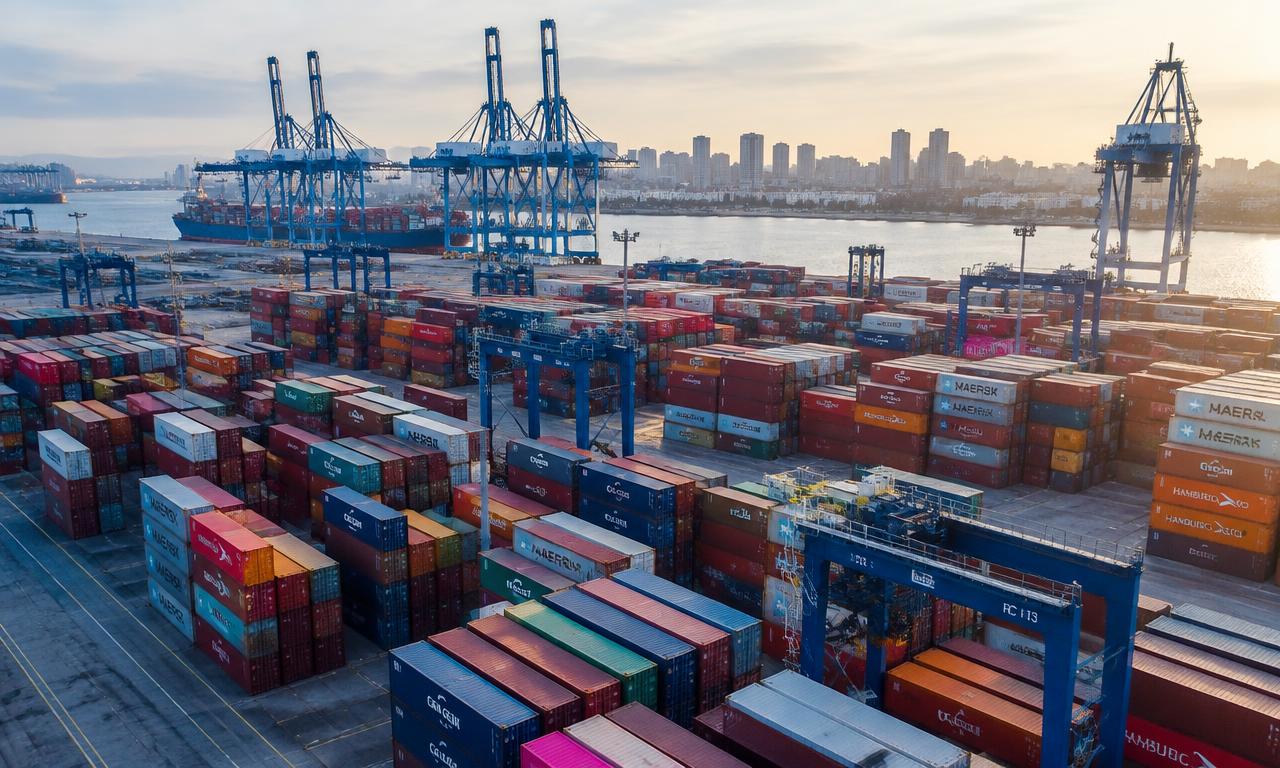
Step-by-Step Guide to Importing Goods into Mexico
Planning to import goods into Mexico? Learn the key steps to consider before shipping your cargo, from product classification and compliance to customs clearance and final delivery.
What Costs Should You Consider When Importing Goods into Mexico?
The supplier's price is only part of the total cost of an import. Learn which logistics, customs, tax and transportation costs should be considered when planning an import into Mexico.
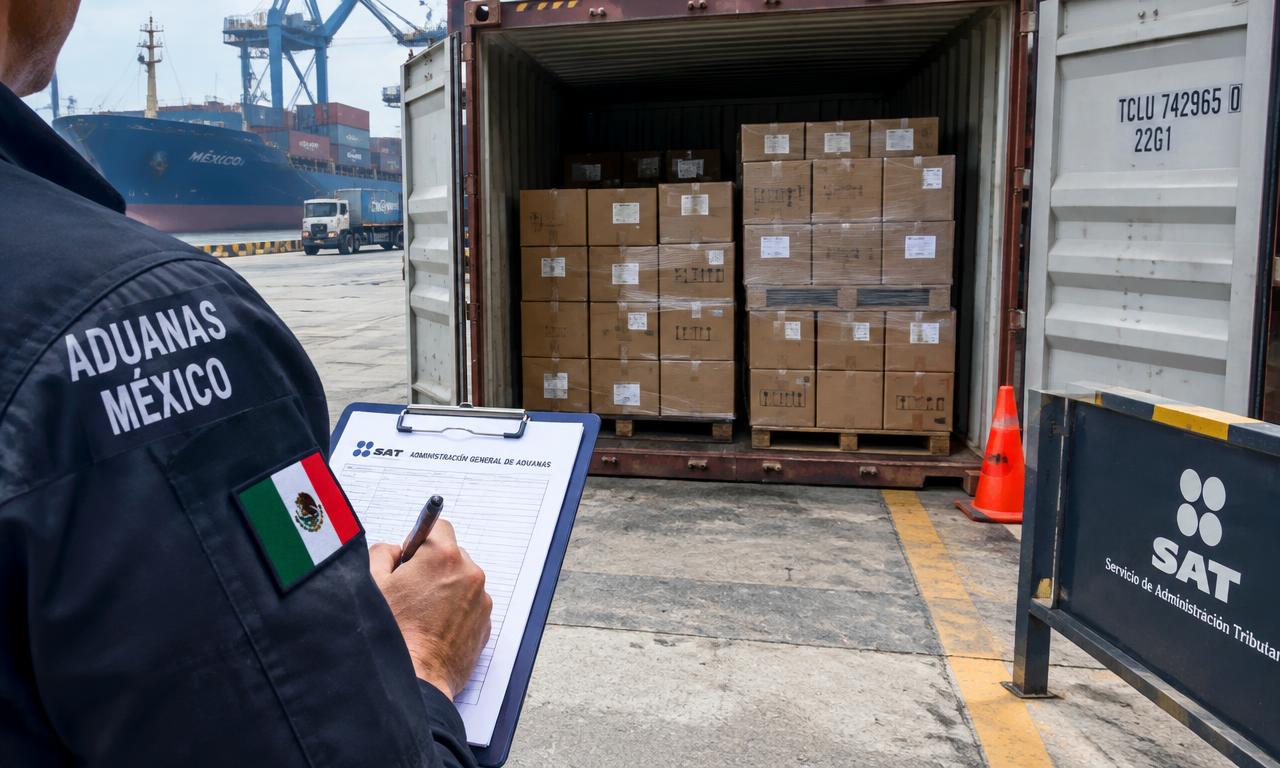
Origin Inspection: How to Identify Problems Before Your Cargo Reaches Mexico
A pre-shipment inspection can help identify product, quantity, labeling, documentation or compliance issues before your cargo leaves the country of origin.