
Cargo Insurance: Why Isn't the Carrier's Insurance Enough?
GFS Customs · November 24, 2026 · 5 min read
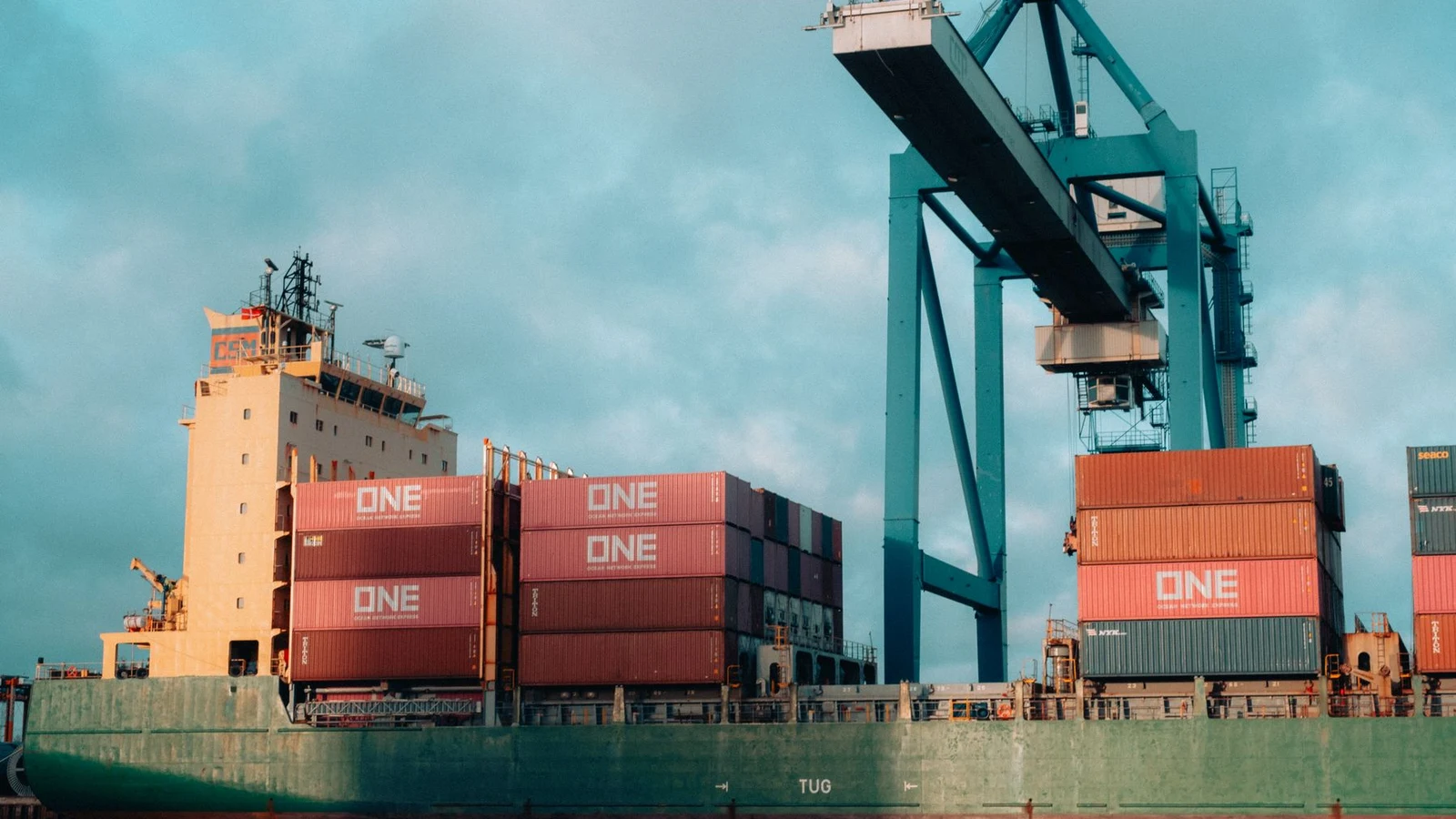
Why Is Cargo Insurance Important?
International trade involves much more than arranging a truck, booking space on a vessel, or hiring a transportation provider. Throughout the journey, goods may be exposed to different situations that can compromise their condition and value.
Accidents, theft, fires, loading and unloading damage, and incidents at transfer points are some of the risks that may arise during a logistics operation.
Many companies assume their goods are protected simply because their carrier has insurance. However, there is an important difference between carrier liability and an insurance policy specifically designed to protect the cargo itself.
1. Does the carrier's insurance protect the full value of my goods?
Not necessarily.
Carriers may hold mandatory third-party liability insurance and, depending on the contracted service, additional coverage related to the cargo. However, this does not mean that every loss or damage will automatically be compensated for the full value of the goods.
Carrier liability depends on applicable laws, contractual terms, the transportation mode, and the circumstances surrounding the incident. Liability limits, exclusions, and specific claim procedures may also apply.
Relying exclusively on the carrier's coverage may therefore expose your company to financial losses.
2. What is cargo insurance?
Cargo insurance is financial protection designed to cover physical loss or damage to goods during transportation, subject to the terms and conditions of the policy.
It can be used for domestic and international shipments and adapted to different transportation modes:
- Road freight.
- Ocean freight.
- Air freight.
- Multimodal transportation.
Depending on the policy, coverage may include risks such as accidents, overturning, fire, theft, and damage during certain loading and unloading operations.
Not all policies provide the same protection. Coverage conditions, deductibles, and exclusions should always be reviewed before purchasing a policy.
3. What should you consider before purchasing cargo insurance?
When selecting coverage, consider the following:
Cargo value: The insured amount should be determined according to the policy terms and the value you intend to protect.
Type of goods: Fragile, perishable, high-value, or special-handling products may require specific coverage.
Route and transportation mode: Identify the routes, transfer points, and transportation modes involved.
Coverage and exclusions: Understand which situations are covered and which are excluded.
Deductibles: Determine the amount or percentage your company would be responsible for in the event of a claim.
Responsibilities under Incoterms®: International commercial terms help define buyer and seller obligations, including when cargo risk transfers from one party to another.
4. When should you consider cargo insurance?
Although every shipment should be evaluated individually, cargo insurance can be particularly useful when:
- Transporting high-value goods.
- Managing international shipments.
- Handling fragile or damage-sensitive products.
- Using multiple transportation modes.
- Conducting frequent import or export operations.
- A potential loss could significantly affect business continuity.
For companies with regular shipments, an annual policy may also be worth considering, subject to its terms and reporting requirements.
5. Risk prevention is part of a strong logistics strategy
Insurance does not replace the need to work with reliable providers, use appropriate packaging, and properly plan each shipment.
Protecting a logistics operation involves several elements: transportation selection, document review, logistics coordination, security measures, and insurance coverage.
A comprehensive strategy helps reduce risks and provides greater peace of mind throughout the transportation process.
Protect Your Cargo with GFS
At GFS Customs, we understand that every shipment represents an important investment for your company.
That is why we offer integrated logistics solutions that can include customs clearance, domestic and international transportation, consulting, and cargo insurance, helping you coordinate your operation with one dedicated team.
Have an upcoming shipment or want to review cargo protection options?
Contact us and let us help you find an insurance solution suited to your logistics requirements.
GFS Customs | One team for your entire international operation.
Need support with your international trade operation?
Our team can assist you with customs clearance, transportation, international logistics, tariff classification and operational guidance.
Request a QuoteYou may also be interested in
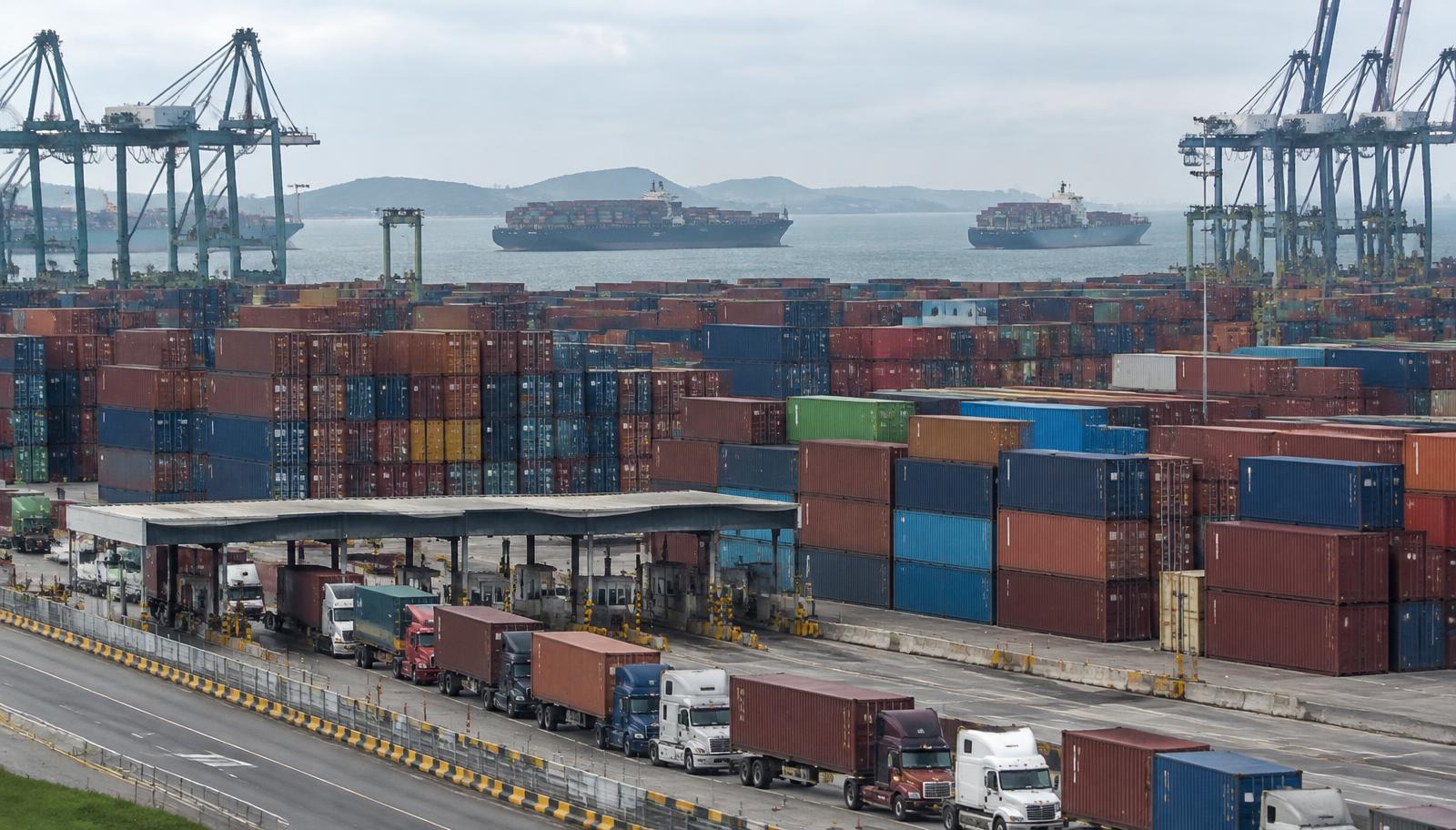
Port Storage and Demurrage Charges: How to Avoid Unnecessary Import Costs
Learn why port storage, demurrage and detention charges occur and how importers can reduce unexpected costs through better planning and logistics coordination.
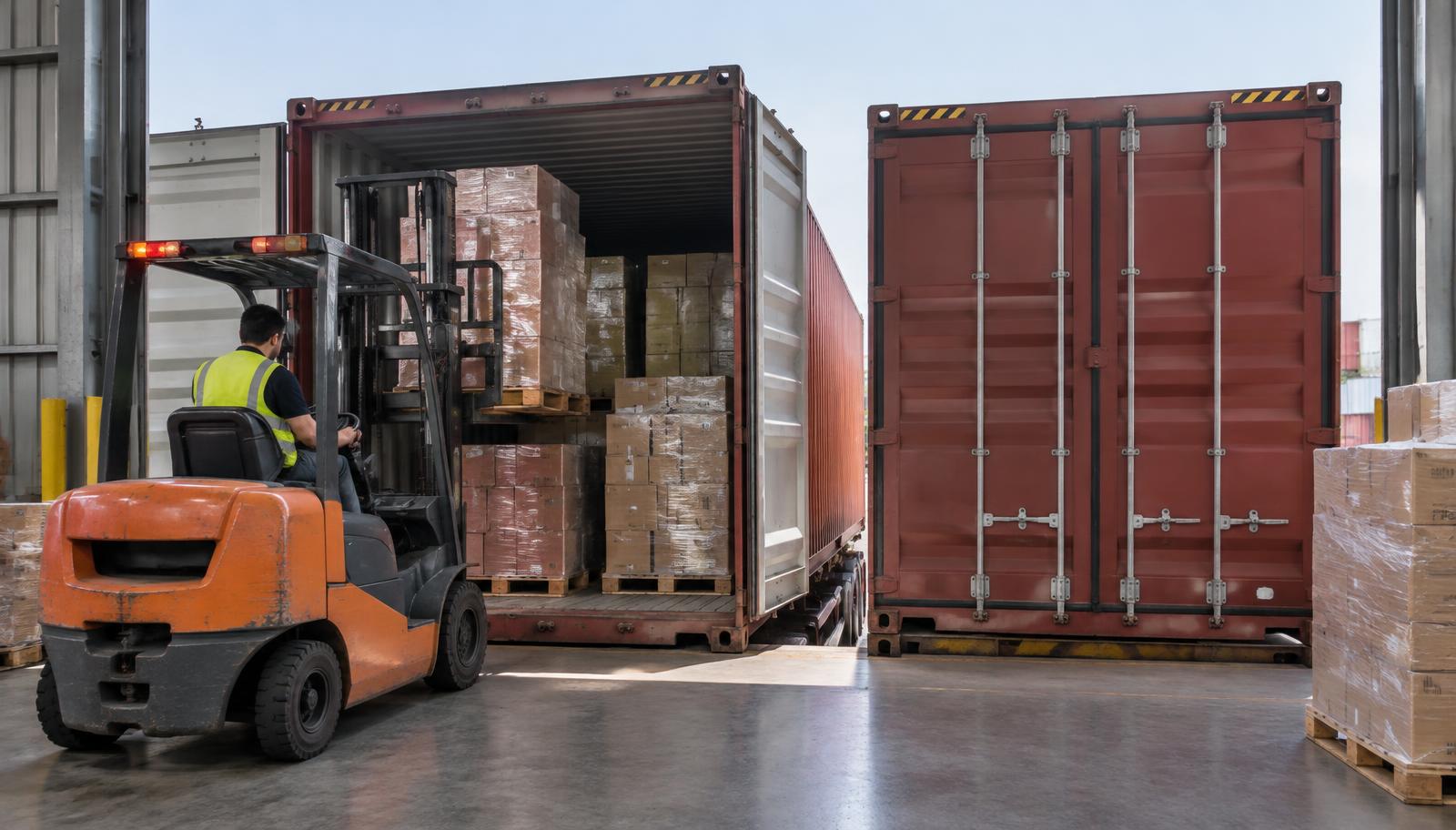
FCL vs. LCL: Which Option Is Right for Your Shipment?
Not sure whether you need a full container or consolidated ocean freight? Learn the differences between FCL and LCL and what to consider before choosing.
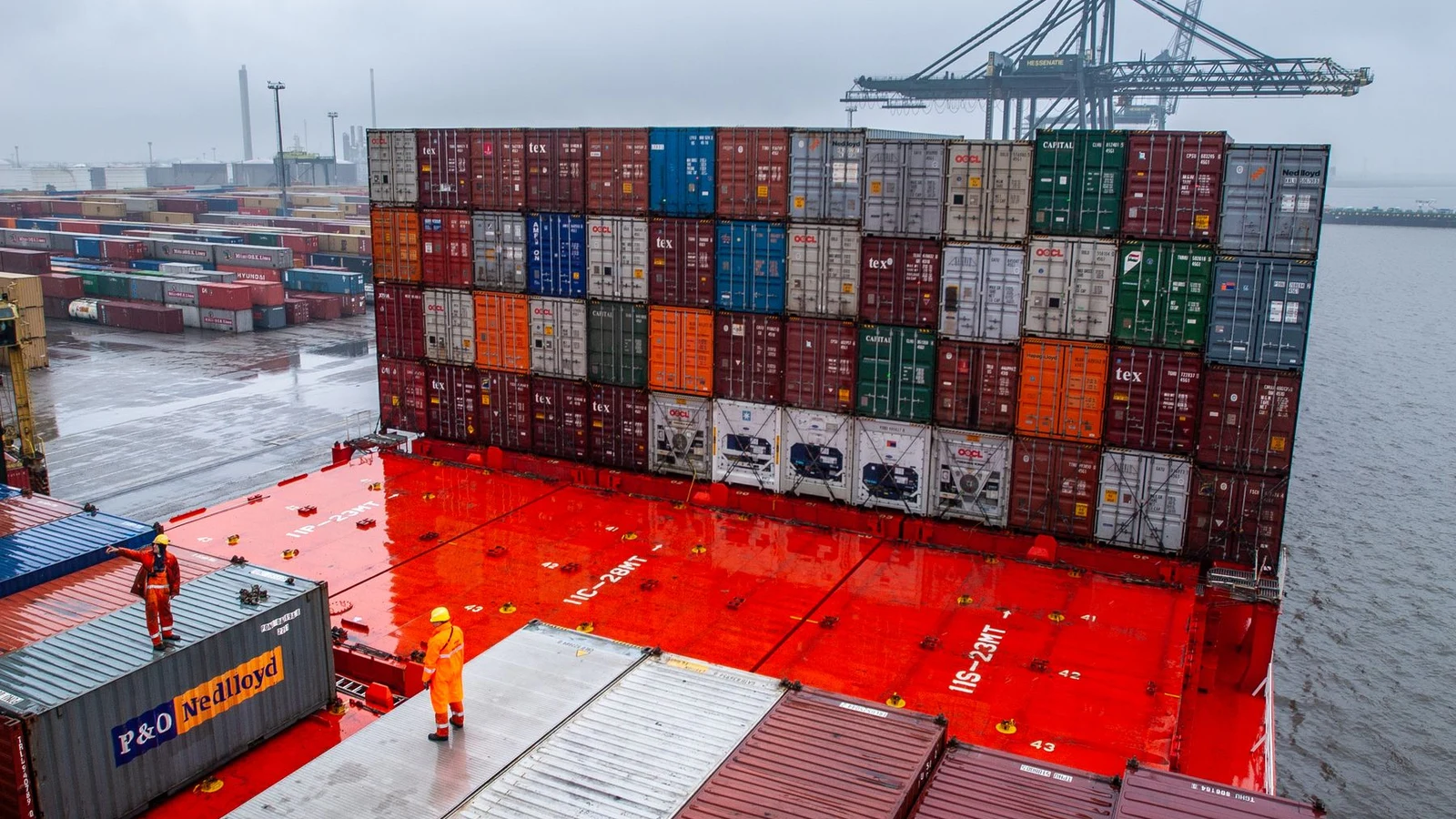
Exporting from Mexico: Documents, Processes, and Requirements You Should Know
Exporting can open new business opportunities for your company, but it requires planning and compliance with customs and commercial regulations. Discover the main steps to get started.