
Port Storage and Demurrage Charges: How to Avoid Unnecessary Import Costs
GFS Customs · November 5, 2026 · 8 min read
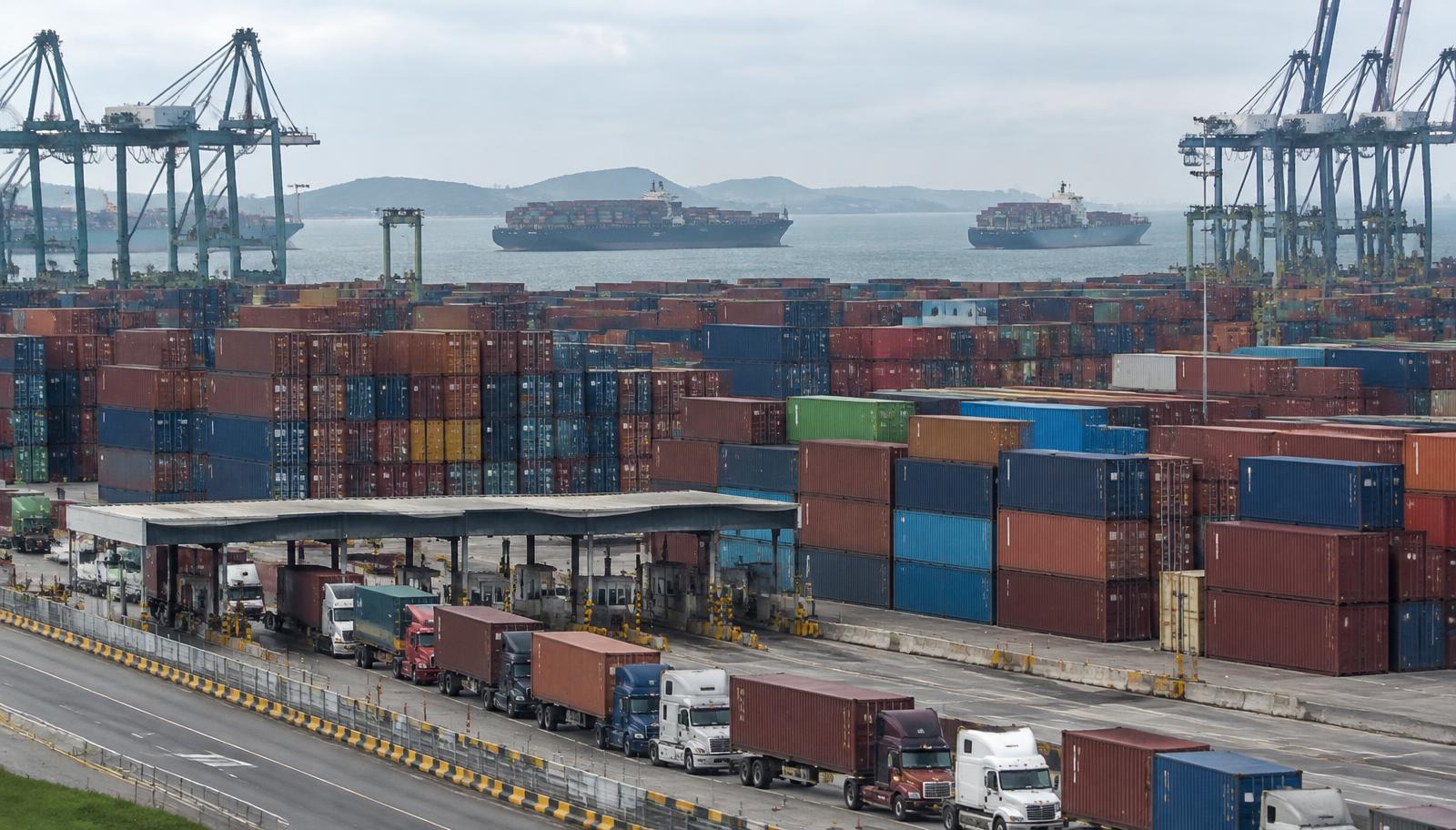
In an import operation, the cost of the goods and international freight are not the only expenses that need to be considered. When a container remains at a port terminal or outside the terminal longer than expected, additional charges may arise and directly affect the profitability of the transaction.
Storage, demurrage and detention are important concepts every importer should understand. In many cases, these costs can be reduced through proper planning, advance document review and coordination among all parties involved in the logistics chain.
In this article, we explain what these charges mean, why they occur and what importers can do to prevent them.
What are port storage, demurrage and detention charges?
Although these terms are often mentioned together, storage, demurrage and detention may refer to different charges. It is important to identify who applies each charge, what service it covers and under which conditions it is incurred.
1. Port storage
Storage is a charge that may be applied by the terminal or relevant facility for keeping goods or containers within its premises for a certain period.
Terminals generally establish free-time periods and rates that may vary depending on the type of goods, container, terminal and length of stay.
If the cargo is not collected within the established period, additional charges may begin to accrue.
2. Demurrage
In ocean freight, the term demurrage generally refers to a charge applied by the shipping line when a container remains inside the terminal beyond the agreed free time, according to the terms of the service.
Its purpose is to compensate for the use of the equipment beyond the permitted period.
3. Detention
The term detention is generally used when a container remains outside the terminal, for example, at the importer's facility or another unloading location, beyond the free time allowed for returning the empty equipment.
It is important to note that terminology and conditions may vary between shipping lines, contracts, ports and service types. Some rate structures combine demurrage and detention into a single charge.
Important: port storage, demurrage and detention are not necessarily the same charge. To understand the actual costs of an operation, always review the applicable terminal and shipping line conditions.
Why do these charges occur?
Several situations can prevent cargo from being collected on time or a container from being returned within the established free-time period.
Some of the most common causes include:
1. Incomplete or incorrect documentation
An invoice containing incorrect information, discrepancies between documents, errors in the bill of lading or missing details can delay the customs clearance process.
Problems may also arise when the customs broker does not receive the documents required to prepare the operation in time.
That is why reviewing documentation before the shipment arrives in Mexico is highly recommended.
2. Failure to meet regulatory requirements
Some products require permits, certificates, labeling, compliance with Official Mexican Standards (NOMs) or other non-tariff regulations and restrictions.
If these requirements are not identified from the beginning, a company may discover that additional procedures are necessary only after the cargo has already arrived at the port.
These issues can cause delays and additional expenses.
3. Customs clearance issues
Incorrect tariff classification, discrepancies in declared customs value, missing technical information or inconsistencies in documents can complicate customs clearance.
Reviewing the goods and documentation in advance helps identify potential problems before they become operational delays.
4. Port congestion and limited appointments
During certain periods, terminals may experience high demand, limited appointment availability or operational congestion.
Even when the documentation is in order, insufficient coordination to collect the container may result in exceeding the free-time period.
5. Poor inland transportation coordination
Once the goods are released, transportation must be available to collect them and deliver them to their destination.
If the trucking company has not been confirmed, has no available equipment or does not have the information required to access the terminal, the operation may be delayed.
For container shipments, it is also essential to plan unloading and empty-container return within the permitted period.
6. Not knowing the applicable free time
Each shipping line, service and shipment may have different conditions.
Failing to confirm the number of free days, when they begin and what happens when they are exceeded can result in charges that could have been anticipated.
How can importers avoid port storage and demurrage charges?
The best strategy is to work proactively. It is not only about speeding up customs clearance once the cargo arrives, but also about preparing the operation before the goods leave the country of origin.
Here are some practical steps:
1. Review documents before shipment
Request and review the commercial invoice, packing list, bill of lading and other applicable documents in advance.
Verify that importer details, cargo descriptions, quantities, weights and values are consistent.
Identifying discrepancies before the goods leave the country of origin can save time and money once they arrive in Mexico.
2. Confirm tariff classification and applicable regulations
Before shipment, identify the tariff classification and review applicable duties, permits, NOMs and other regulatory requirements.
If the product requires a certificate, authorization or special preparation, it is better to arrange it in advance.
3. Prepare customs clearance in advance
Share the necessary information with your customs broker before the vessel arrives.
This allows the broker to review documents, anticipate potential issues and prepare the required steps for customs clearance, provided all necessary information and documentation are available.
4. Know your free-time allowance
Ask your logistics provider or shipping line about the conditions applicable to your shipment.
Confirm:
- How many free days are granted.
- When the free-time period begins.
- Whether the days are calendar or business days.
- Which charges apply if the free time is exceeded.
- The procedure for returning the empty container.
Do not assume that all shipments have the same conditions.
5. Arrange transportation before cargo release
Do not wait until the container is released to start looking for transportation.
Coordinate truck availability, appointments, terminal operating hours, delivery location and unloading capacity in advance.
For container shipments, also consider the time required to unload the goods and return the empty equipment.
6. Maintain communication among all parties
An import operation involves several participants: the supplier, shipping line, customs broker, terminal, trucking company, warehouse and importer.
When each participant works with different information or receives instructions too late, the likelihood of delays increases.
Having one person or team responsible for following up on the entire operation helps maintain visibility over progress and pending tasks.
What should you do if your cargo is already accumulating storage or demurrage charges?
If charges have already started to accrue, the most important thing is to act quickly.
We recommend:
- Identify the cause of the delay. Determine whether the issue is related to documentation, regulations, customs clearance, appointment availability or transportation.
- Confirm the current charges. Request a breakdown from the terminal and shipping line, including applicable free-time periods and rates.
- Establish a release plan. Prioritize the pending tasks that are actually preventing cargo collection.
- Coordinate transportation. Confirm that transportation will be available as soon as the cargo can be released.
- Review alternatives. Depending on the conditions of the operation, it may be necessary to evaluate changes to the schedule or alternative logistics arrangements.
It is important not to assume that all charges can be negotiated or waived. Each terminal and shipping line has its own conditions, so any claim or request for clarification should be supported by the relevant documentation.
The importance of integrated logistics
Reducing additional import costs requires more than choosing a good freight rate or working with a customs broker. The entire operation needs to be coordinated.
When customs clearance, transportation and logistics follow-up are handled separately, communication gaps may affect release and delivery times.
At GFS Customs, we work with an integrated international trade approach, coordinating customs and logistics services to provide greater visibility and follow-up throughout our clients' operations.
Our goal is to help you anticipate requirements, identify potential risks and maintain clear communication throughout the import process.
Do you have an ocean freight shipment arriving soon and want to prevent additional costs?
Contact the GFS Customs team. We can help you review the customs and logistics aspects of your operation and plan a more efficient process.
Note: Free-time allowances, rates, charge definitions and storage, demurrage and detention conditions depend on the terminal, shipping line, contract and service booked. They should always be confirmed for each shipment.
Need support with your international trade operation?
Our team can assist you with customs clearance, transportation, international logistics, tariff classification and operational guidance.
Request a QuoteYou may also be interested in
FCL vs. LCL: Which Option Is Right for Your Shipment?
Not sure whether you need a full container or consolidated ocean freight? Learn the differences between FCL and LCL and what to consider before choosing.

Tariff Classification: What It Is and Why It Can Change Your Import Costs
Learn how tariff classification works in Mexico and how it affects import duties, regulatory requirements, customs compliance and international trade costs.
What Is a Customs Broker and What Does It Do?
Learn what a customs broker does, how they participate in the customs clearance process, and what importers and exporters should consider before moving goods into or out of Mexico.